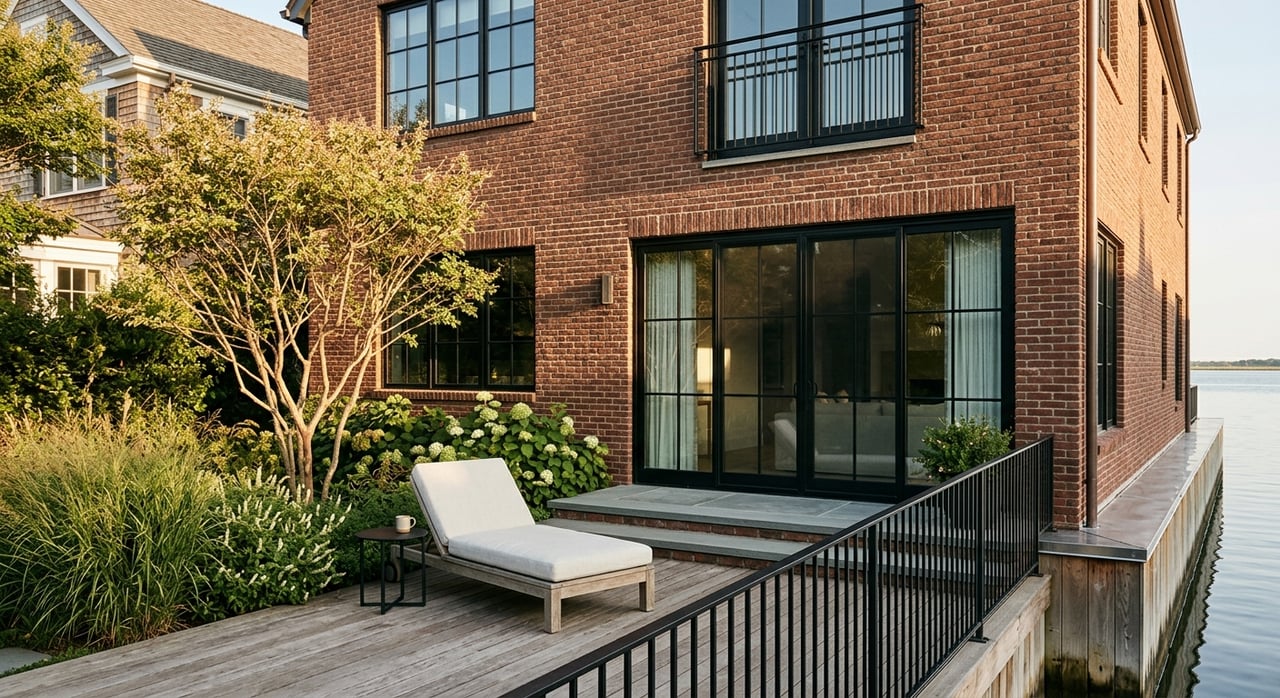
Imagine stepping out your back door to launch a kayak at sunrise or cruising to dinner by boat after work. If water time fuels your weekends, Anne Arundel County offers a rare blend of Chesapeake Bay access, marina services, and a lively boating culture centered around Annapolis. You want the fun parts to be easy and the technical parts to be handled with confidence. In this guide, you will learn where to look, what features to prioritize, and which permits, inspections, and insurance details to check before you buy. Let’s dive in.
Why Anne Arundel stands out
You get options here. Anne Arundel County has approximately 533 miles of tidal shoreline, plus a network of public launches and private marinas that serve powerboaters, sailors, and paddlers alike. You can confirm public access points and shoreline facts on the county’s water access page for planning and research purposes. The mix of waterways means you can choose protected creeks for calm paddling or quick routes to the Chesapeake for open-water runs.
Annapolis anchors the social side of water life. The city hosts long-running in-water boat shows, maintains active yacht clubs and marinas, and has a walkable harbor scene with dining by the docks. If you want an on-water calendar and convenient services like fuel and haul-out nearby, this area delivers.
Commuting still works. Many buyers here split time between water living and careers in DC or Baltimore. When you match your neighborhood to your route and marina needs, you can make both happen.
Know your waterways and access
The county’s shoreline is defined by the Chesapeake Bay and its tidal tributaries. The Severn, South, Magothy, and West Rivers, plus many creeks and inlets, shape how you use the water. Depth, channel protection, and distance to the Bay vary. That is why a marina and water-access map is so helpful when you begin your search.
Public access is a mix of county cartop launches for kayaks and SUPs, a small number of paved trailer ramps, and waterfront parks such as Fort Smallwood Park, Solleys Cove Park, and Discovery Village. Private and commercial marinas fill in the gaps with slip options, services, and winter storage.
Match neighborhoods to your boating style
Annapolis and Eastport
Downtown Annapolis and Eastport offer walkable, waterfront-centric living with in-town dockage and quick access to the Severn River and the Bay. The City Harbormaster manages public docks and slip programs, plus transient options for visiting boats. If you want to be close to dining, events, and marina services, this is a strong fit.
Severn River, Severna Park, Magothy River, Broadneck Peninsula
These areas include many established waterfront neighborhoods and communities with shared piers, protected channels, and straight-forward runs to the Bay. Communities often have rules for slips, waitlists, or community beaches. Always confirm water depth if you plan to keep a larger vessel.
Broadneck, Arnold, Hillsmere, Pasadena
North and east of Annapolis, you will find protected coves, community amenities, and a balance of commuting access with recreation. Buyers who value a quieter shoreline near city conveniences often focus here.
Southern Anne Arundel: Deale, Shady Side, Galesville
These small-town waterfront communities lean more coastal and relaxed. You will find resort-style marinas and direct Bay access that appeal to buyers who want easy boating and a slower pace.
Private enclaves and islands
Select enclaves and islands offer higher privacy with their own governance and dock rules. Always confirm access arrangements and any community-specific restrictions early in your search.
What to look for in waterfront home features
The right features make daily use simpler and safer. As you tour properties, look for:
- Docks and lifts. Private piers can be fixed or floating, often with lifts or davits. Ask for permit records, pier locations shown on plats, and any recent repair reports.
- Shoreline protection. Bulkheads, riprap, and revetments are common. Newer projects may use living shorelines that stabilize banks while supporting habitat. Review design and permit documentation when available.
- Salt-tolerant materials. Composite decking, stainless or marine-grade fasteners, and corrosion-resistant HVAC and electrical components reduce upkeep.
- Utilities and septic. Many waterfront homes use on-site septic rather than public sewer. Confirm health records, past perc test results, and whether public sewer is available now or in the future.
Permits and approvals to check early
Shoreline and in-water work such as docks, bulkheads, riprap, dredging, or major repairs often requires county permits, state approvals for tidal wetlands and waterways, and sometimes federal review by the U.S. Army Corps. If you plan improvements, check the property’s permit history and ask for documentation of past work.
Maryland’s Critical Area rules apply within 1,000 feet of tidal waters. These rules influence buffers, vegetation, lot coverage, and variance procedures. If the home sits in the Critical Area, request any worksheets, plans, or approvals tied to past projects.
A quick rule of thumb: if it touches the shoreline or the water, expect permits and plan ahead for design, review timelines, and seasonal work windows.
Ownership costs and maintenance to budget
- Shoreline and dock upkeep. Pilings, planking, fasteners, and electrical at the dock require periodic inspection and repair. Living shorelines may require early monitoring and maintenance but can reduce some long-term replacement needs.
- Slips and storage. If your property lacks a private dock, marinas offer transient dockage, seasonal slips, and dry storage. Availability and fees vary. Communities may run waitlists for shared slips.
- Flood insurance. Lender requirements depend on FEMA flood maps. If a structure lies in a Special Flood Hazard Area, a federally regulated lender typically requires flood insurance. Always check the FEMA map panel for the specific parcel during due diligence.
- Septic and wells. Request county health records and perc tests early. Budget for potential maintenance or upgrades, and confirm whether public sewer is available or if connection costs could apply.
Lifestyle perks that come standard
- Boating and sailing. Annapolis hosts major in-water boat shows and a full regatta and social calendar. Service providers for fuel, haul-out, and repairs are close at hand.
- Paddle sports and fishing. With abundant cartop launches and water trails, you can choose quiet coves for early morning paddles or aim for bigger water when conditions allow.
- Waterfront dining and culture. From dockside crab houses to harborfront patios, the restaurant scene is built for arriving by land or by boat.
Quick buyer checklist
Use this compact list to move from browsing to confident offers:
- Confirm whether the lot sits in Maryland’s Critical Area, and request any Critical Area worksheets or mitigation plans from the seller or previous projects. Review the state’s property owner resources for specifics. Maryland DNR Critical Area property owner resources
- Pull the current FEMA map panel for the property and ask your lender about flood insurance triggers based on the designation. FEMA Flood Map Service Center
- Match your boating needs to nearby marinas and community docks, and confirm water depth, services, and access to the Bay. Start with the county’s marina inventory map. Anne Arundel County marina inventory
- Request recorded deeds and plats for riparian rights, pier ownership, and easements. If a slip is community-assigned or leased, get the agreement in writing.
- Obtain septic records and recent perc tests from the county. If public sewer is available, ask about hookup requirements and timing. Anne Arundel County septic and perc testing
- Ask for documentation on any pier, bulkhead, or shoreline work, including permit numbers and inspection reports. Check county permit history for expired or open items. Anne Arundel pier and bulkhead permits
- If you plan ecological stabilization, review the state’s living shorelines guidance to understand design and permit expectations. Maryland DNR living shorelines guidance
- For paddling routes and launch ideas, explore local water trails to plan day trips from your future home base. Water Trails of Anne Arundel County
- In Annapolis and Eastport, check public dock rules, transient slip options, and any construction or resiliency work that could affect services. Annapolis City Harbormaster
- To preview public shoreline access and understand the county’s shoreline network, start here. Anne Arundel County water access and shoreline overview
Ready to find your fit on the water? You bring the vision. We bring the process, local knowledge, and a calm, organized path from first tour to final walkthrough. Connect with KaTrina Scott to map your options, confirm key permits and records, and secure a home that matches how you want to live on the Chesapeake.
FAQs
What makes Anne Arundel County strong for waterfront buyers?
- You get extensive shoreline, diverse waterways with different depths and protection, an active marina network, and a vibrant boating culture centered in Annapolis.
How do I verify if a dock or slip conveys with the home?
- Review the deed and plat for riparian rights and pier locations, and request written HOA, community, or marina slip agreements. Do not assume slip ownership without documents.
Who handles permits for docks, bulkheads, or shoreline work?
- Expect a combination of county building and inspections, state wetlands and waterways approvals, and sometimes federal review, depending on the scope and location of the work.
What should I know about septic versus public sewer on waterfront homes?
- Many properties use on-site septic. Ask for county health records and perc tests early and confirm whether public sewer is available now or planned in the area.
Will my lender require flood insurance for a waterfront home?
- If the structure is in a Special Flood Hazard Area and you use a federally regulated loan, the lender will typically require flood insurance. Always check the current FEMA map for the parcel.
How can I match my boat and boating style to a neighborhood?
- Use marina and water-access maps to confirm channel depth, protection from wind and fetch, and route distance to the Bay. Then tour nearby communities that align with those needs.