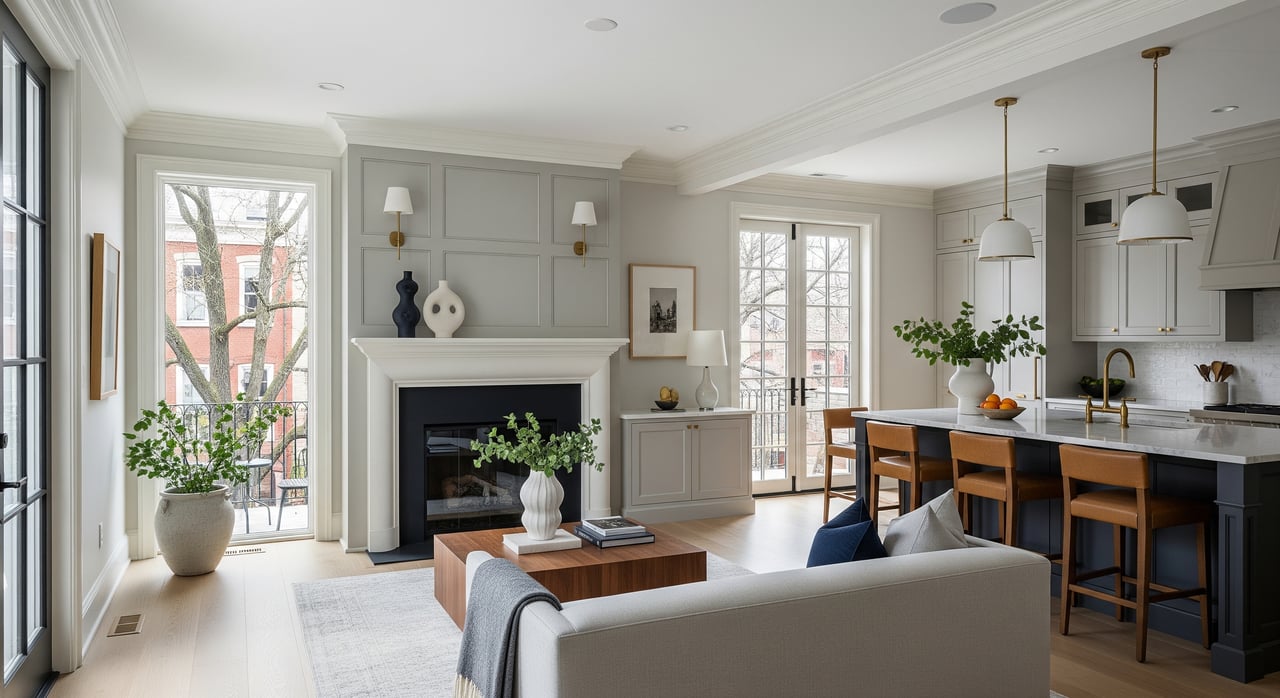
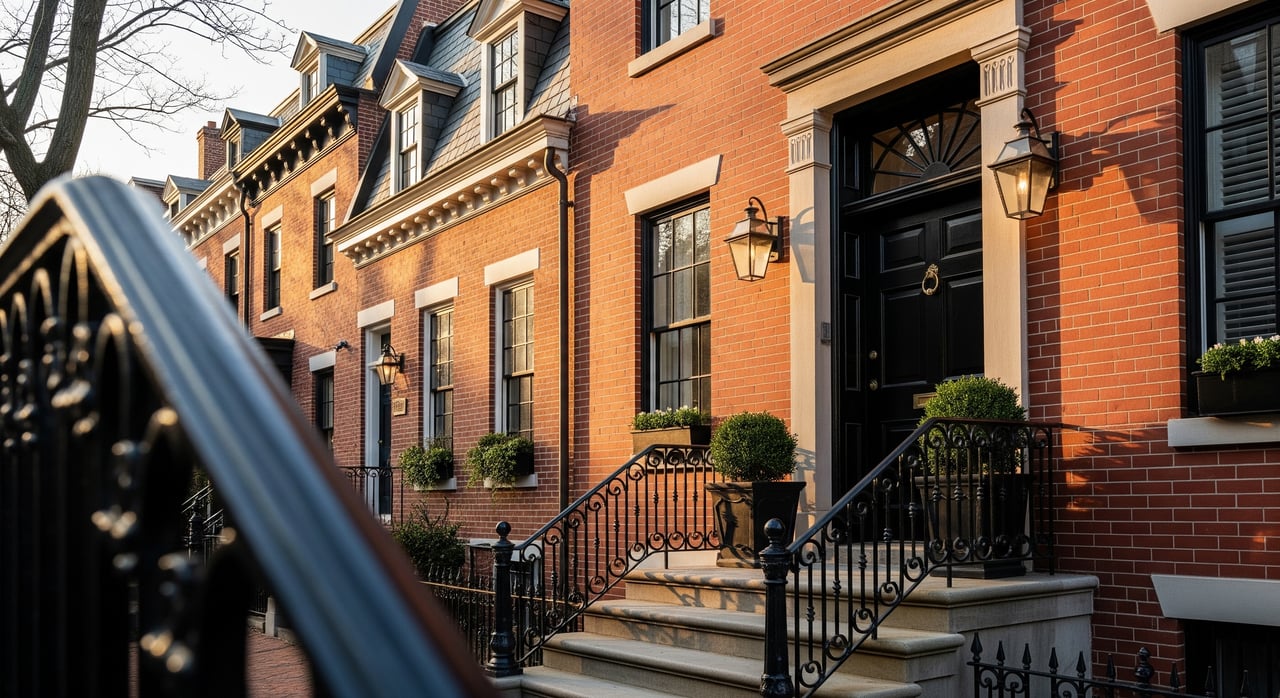
Trying to decide between a DC rowhouse or a condo? You’re not alone. Both offer great ways to live close to work, transit, and neighborhood life, but they come with very different costs, responsibilities, and rhythms day to day. In this guide, you’ll learn the real tradeoffs in Washington, DC, how each option fits common buyer goals, and the exact questions to ask before you write an offer. Let’s dive in.
Rowhouse vs condo: quick comparison
Rowhouse
- Fee-simple ownership of the land and structure.
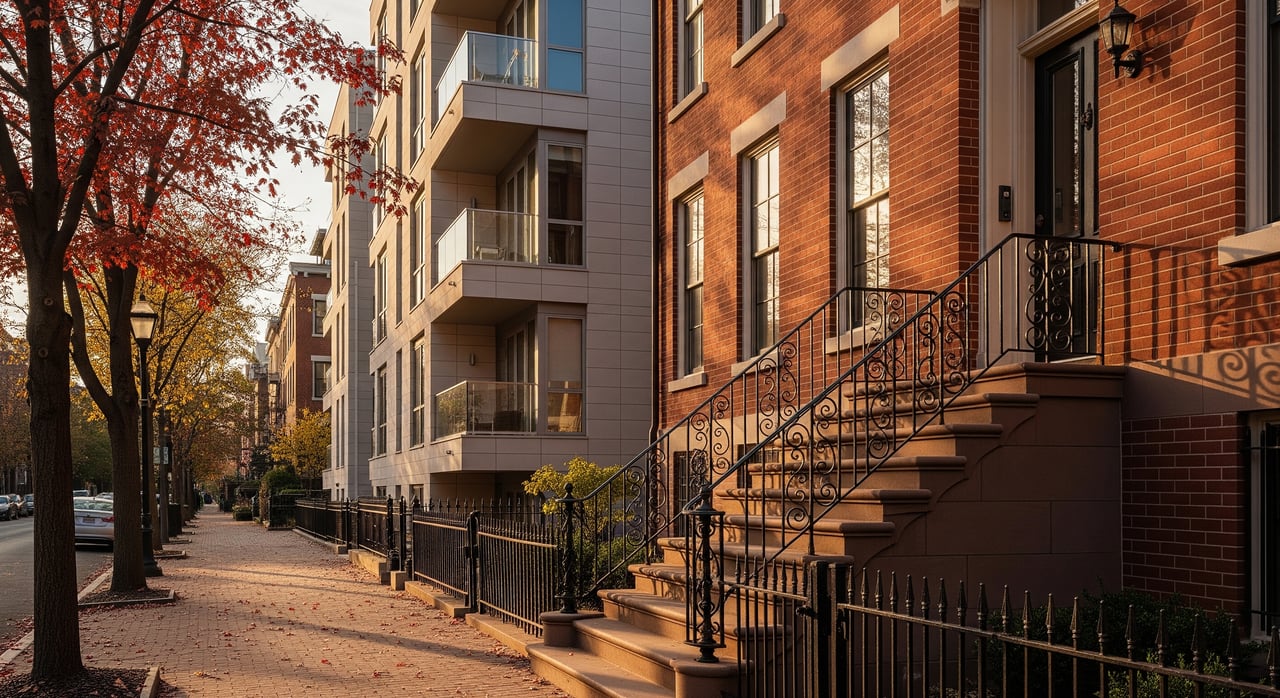
- Multiple levels with a private entrance, often a basement and some outdoor space.
- You handle exterior and structural maintenance and larger capital projects.
Condo
- You own the interior of your unit. Common areas are owned and managed by the association.
- Often single-level living with building amenities that can include a gym or roof deck.
- Monthly condo fees cover common-area upkeep. The association manages big exterior items.
How daily living feels
Space and layout
- Rowhouses often give you separation between living and sleeping areas across floors. Many include a cellar or basement and a small yard or patio.
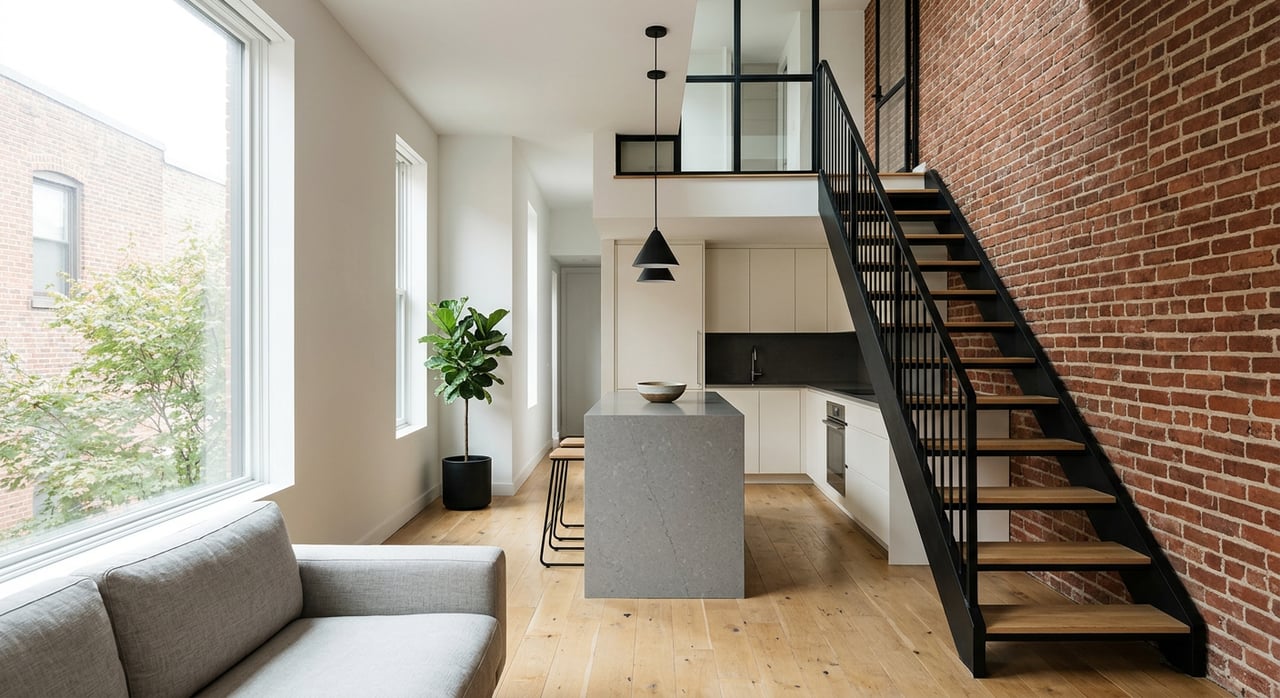
- Condos deliver efficient, single-level layouts that are easier to access and maintain.
Privacy and noise
- Rowhouses share party walls with neighbors. They reduce side-to-side sound but can still transmit noise.
- Condos share walls, floors, ceilings, and common corridors, which can mean more ambient building noise.
Outdoor space
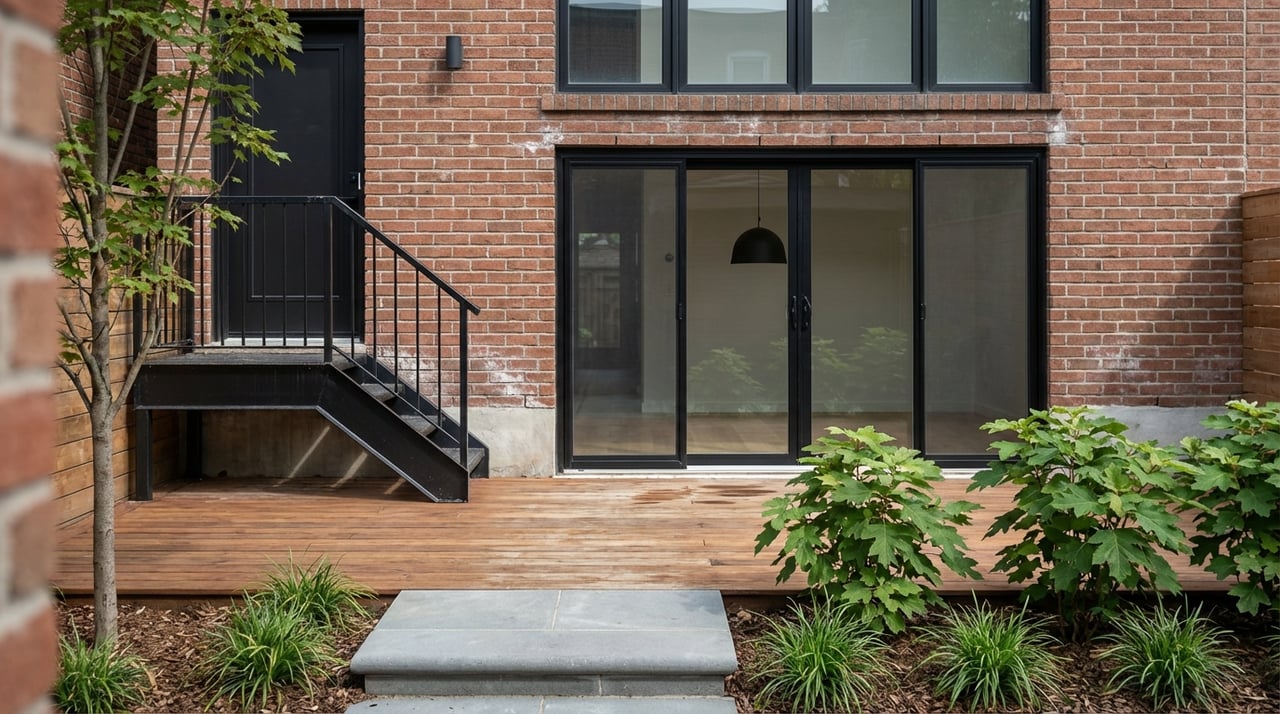
- Rowhouses often include a rear yard, stoop, or the potential for a rooftop deck if permitted.
- Condos may provide a balcony, shared courtyard, or roof terrace rather than private yard space.
Parking and walkability
- Many condos sit near Metro and mixed-use corridors. Some offer assigned or short-term guest parking.
- Many DC rowhouses rely on street parking or alley access. Confirm whether a property has off-street parking or a permit system.
Ownership and responsibilities
Rowhouse: you are the steward
- You are responsible for the roof, exterior, foundation, windows, and land, along with major systems like HVAC, plumbing, and electrical.
- You control decisions about repairs and upgrades. Costs can be lumpy, so plan for capital items over time.
Condo: shared responsibilities
- The association manages exterior systems and common areas, funded by monthly assessments.
- You still handle walls-in items inside your unit. Major building projects and changes require board approval and follow bylaws.
Cost profile: purchase vs monthly
- Purchase price varies by neighborhood, size, condition, and supply. In many DC areas, entry-level condos offer a lower initial price than fee-simple rowhouses nearby.
- For rowhouses, plan for property taxes, homeowner insurance, utilities, routine upkeep, and periodic major repairs like roof or masonry work.
- For condos, factor in property taxes, HO-6 (walls-in) insurance, utilities, and monthly condo fees. Ask about reserves and any history of special assessments.
- Always compare the total monthly cost: mortgage, taxes, insurance, condo fee or expected maintenance, and parking if applicable.
Where you’ll find them in DC
Rowhouse hubs
You will see a strong rowhouse presence in many historic and residential neighborhoods, including Capitol Hill, Logan Circle and Shaw pockets, Bloomingdale, Columbia Heights, Petworth, Mount Pleasant, Hill East, Edgewood, Trinidad, Brookland, and parts of Georgetown.
Condo concentrations
Condos are common in and near downtown and mixed-use zones such as Penn Quarter, Navy Yard and Capitol Riverfront, Foggy Bottom, Dupont Circle, Mount Vernon Triangle, and the U Street corridor, with many options across the river in Arlington and Crystal City. You’ll also find older conversion condos sprinkled throughout the city.
Financing and approvals to check
Condos can face extra lender scrutiny compared to fee-simple homes.
- Ask your lender whether the condo project meets the requirements for your loan type, including owner-occupancy ratios, reserve levels, and litigation status.
- If you plan to use FHA or VA financing, confirm whether the building is approved and whether any conditions apply.
- Talk through appraisal strategy. Condo values often hinge on recent sales inside the building. Limited comps can create appraisal risk.
Smart due diligence: a buyer’s checklist
For every property
- Review comparable sales from the last 6 to 12 months. Confirm they are truly comparable in size, condition, and location.
- Ask for renovation history and whether permits were pulled and approved.
- Request recent utility bills to gauge carrying costs.
- Confirm whether the home sits in a historic district and what rules apply.
- Ask about any water intrusion, foundation, roof, or mold issues. Request receipts and service history.
- Clarify parking details, including permits or assigned spaces.
For rowhouses
- Verify property lines, alley access, and any easements.
- Inspect the foundation, basement or cellar conditions, roof, and chimneys.
- Ask about HVAC age, electrical panel type, and plumbing materials, especially in older homes.
- If in a historic district, confirm what exterior changes were approved and what will require review.
For condos
- Request the latest budget, reserve study, meeting minutes, insurance certificates, and any litigation disclosures.
- Confirm what the monthly fee covers, such as heat, water, trash, security, or amenities.
- Ask about upcoming capital projects or special assessments.
- Note the percentage of owner-occupancy and any rental, pet, or renovation restrictions.
- Clarify whether the building is professionally managed or self-managed and look for consistent, transparent governance.
Insurance basics
- Rowhouse: secure an HO-3 policy that covers the structure and your belongings. If the property has a basement or sits in a lower-lying area, ask about flood coverage and sump-pump endorsements.
- Condo: secure an HO-6 policy for interior improvements and personal property. The association’s master policy covers common elements and some exterior components. Confirm coverage and any gaps.
Renovations, zoning, and historic rules
- Rowhouse owners generally have more freedom to renovate but must pull permits for structural changes and follow historic-preservation rules where applicable.
- Condo owners can usually update interiors more easily, but structural or exterior changes require board approval. Projects like rooftop decks, window changes, or facade work are often restricted.
Renting, short-term rentals, and flexibility
- Condos often limit rentals and short-term stays in their bylaws. Always review the rules before you assume rental income.
- Rowhouses can be easier to rent as full homes, subject to DC landlord requirements and rental registration. If you are considering a basement rental or ADU, check zoning and permit needs.
Resale and long-term value
- Condos draw a wide buyer pool that values low maintenance, amenities, and proximity to transit. Resale performance can be building-specific and tied to management quality and fee levels.
- Rowhouses appeal to buyers seeking private outdoor space and multi-level living. Since they include land, they may capture appreciation connected to neighborhood improvements, though outcomes vary by location and condition.
- Risk factors to watch: for condos, underfunded reserves, frequent special assessments, or litigation. For rowhouses, deferred maintenance, foundation issues, or complex historic requirements.
- Liquidity depends on supply and demand. Well located condos and desirable rowhouses both sell quickly in strong markets, but pricing and condition matter.
How to choose: a simple framework
- Start with lifestyle. Do you want outdoor space and multiple levels, or single-level living with amenities and less upkeep?
- Map the true monthly cost. Compare mortgage, taxes, insurance, and either condo fees or realistic maintenance reserves for a rowhouse.
- Score the risks. For a rowhouse, consider roof, foundation, and system age. For a condo, review reserves, upcoming projects, and rules that could affect your plans or resale.
When you weigh these factors together, you get a clearer picture of which option fits your timeline, budget, and long-term goals.
Ready to compare specific DC homes with a calm, data-first approach? Reach out to KaTrina Scott for a personalized plan, building-by-building insights, and a side-by-side cost and risk review that makes your choice simple.
FAQs
Which is cheaper to buy in DC, a condo or a rowhouse?
- Many entry-level condos cost less upfront than nearby rowhouses, but you should compare total monthly carrying costs that include taxes, insurance, condo fees, and likely maintenance.
How risky are condo associations when I buy in DC?
- Risk varies by building. Strong reserves, clear minutes, and stable management are positives, while low reserves, frequent special assessments, or litigation are red flags.
Which offers more flexibility to rent out later?
- Rowhouses often offer greater flexibility to rent the entire home, while many condo buildings limit rentals or short-term stays through their bylaws.
Do rowhouses usually appreciate more over time?
- Properties with land can appreciate differently than condo units, but results depend on neighborhood demand, condition, and broader market trends.
What should I review before buying a condo in DC?
- Study the budget, reserve study, recent minutes, insurance certificates, owner-occupancy rates, bylaws on pets and rentals, and any planned capital projects or assessments.
What are the biggest maintenance considerations for DC rowhouses?
- Plan for roof and masonry work, foundation care, and potential system upgrades for HVAC, electrical, and plumbing, especially in older homes.