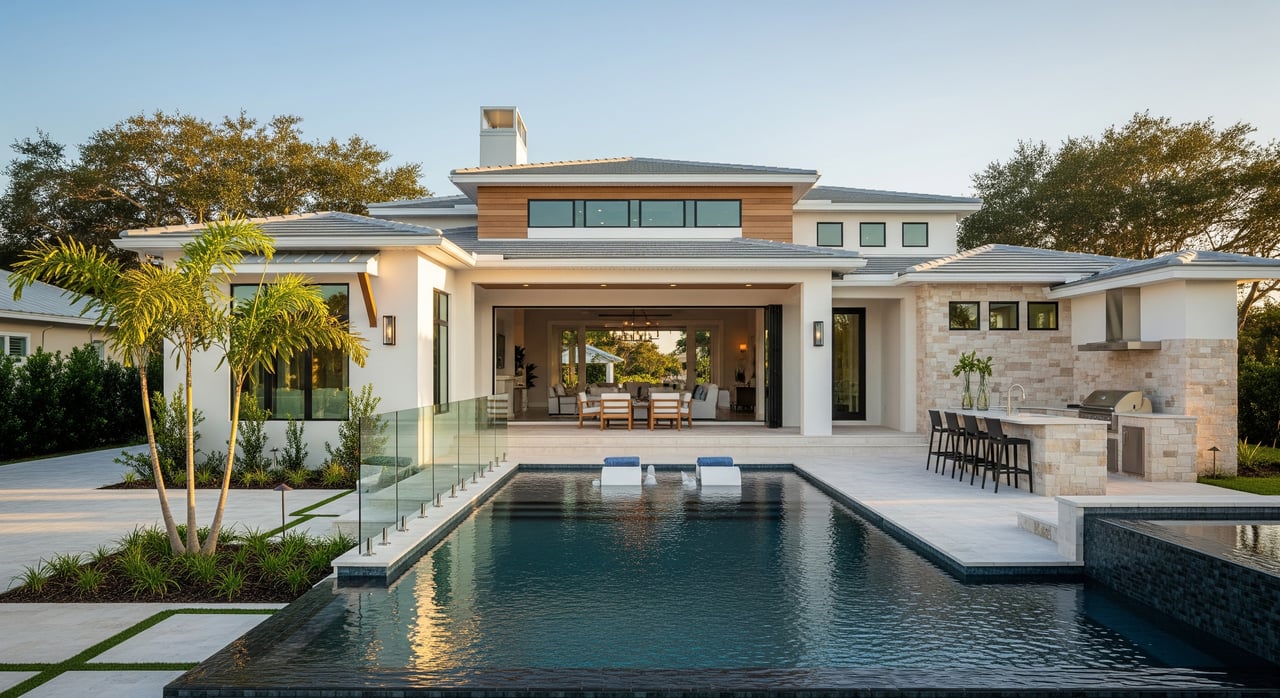
Imagine stepping from your back porch onto your boat and cruising out to the Chesapeake in minutes. If you are shopping in Anne Arundel County, that vision can be your day-to-day reality. The key is knowing which home features truly support a boating lifestyle and which ones add risk or hidden costs. In this guide, you will learn the essentials you need to evaluate docks, depth, permits, flood risk, and community access so you can buy with confidence. Let’s dive in.
Anne Arundel boating at a glance
Anne Arundel County borders the Chesapeake Bay and includes the Severn, South, Magothy, and West rivers, plus many protected creeks. Annapolis anchors the region as a major boating and sailing center, so you will find a wide mix of deep-water harbors, calm coves, and full-service marinas.
Tides matter here. Water levels shift with the tide, and depth at your dock at mean low water determines whether your boat clears bottom at low tide. Check local tide and current tables for your specific river or creek and pay attention to seasonal changes after storms.
Most boaters in the county launch local and cruise the Bay for day trips or weekends. That pattern shapes what you might prioritize, like a private slip at home, a community pier, or access to a nearby marina with services and dry stack storage.
Must-have boat-friendly features
Dock and pier choices
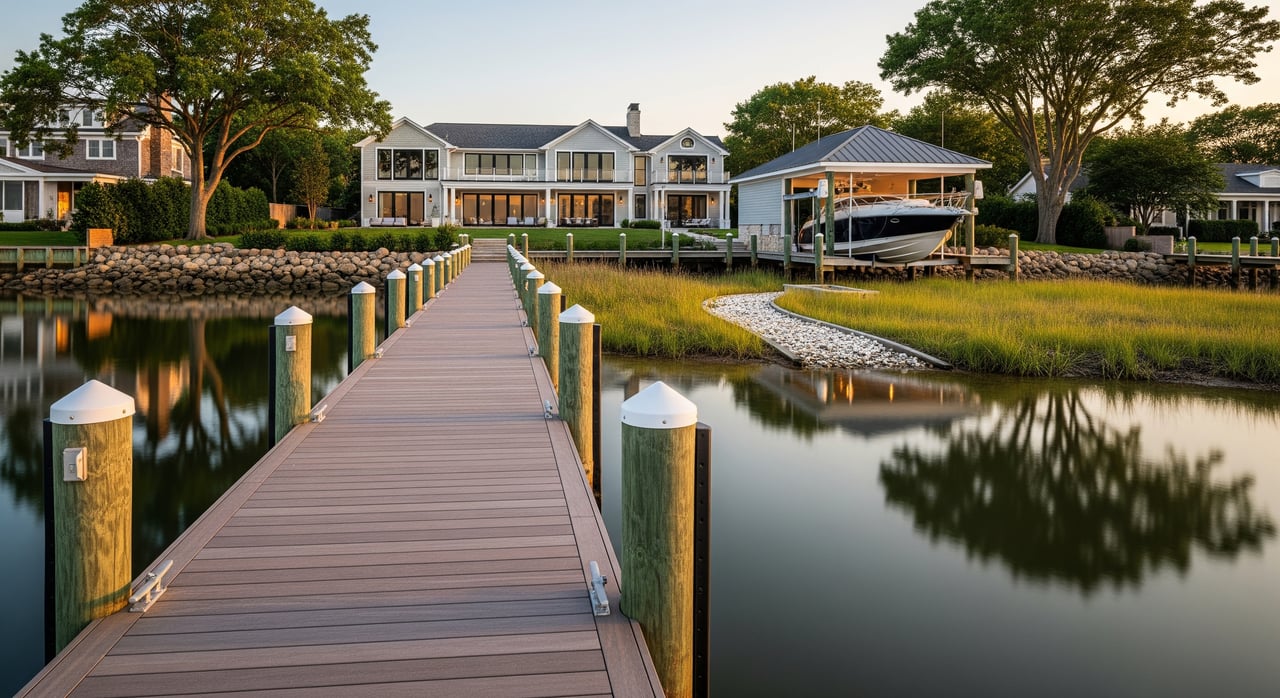
You will see three common options: fixed docks, floating docks, and hybrid systems with a fixed walkway and floating platform.
- Fixed docks feel stable and work well in areas with wake or wave action. They can be more expensive and may take on more storm stress.
- Floating docks rise and fall with the tide for easy boarding. They are less ideal in very exposed locations.
- Evaluate design details that make daily use safer: length and width, finger piers, cleat placement, fendering, ladders, and walkway condition.
Boat lifts and hoists
Lifts reduce fouling, wake wear, and long-term maintenance.
- Common types include piling-mounted vertical or hydraulic lifts, cantilever lifts, personal watercraft lifts, and davits for small boats.
- Check the lift’s rated capacity, motor and electrical condition, cable wear, and whether the bunks fit your boat’s hull and beam.
- Many lift installations need electrical service at the dock and may require permits. Ask for documentation.
Shoreline stabilization
Bulkheads and living shorelines protect your property from erosion.
- Materials vary by age and site: older timber, vinyl, steel sheet pile, stone or riprap, and vegetation with low-profile sills known as living shorelines.
- Look for settlement, leaning, rotting timbers, rusted sheets, undermining at the toe, and cap or tieback failure. Ask when repairs or replacements were done and whether they were permitted.
Water depth and channel access
Depth at your slip at mean low water is critical. Your target boat’s draft plus a safety margin must work at low tide.
- Ask for recent depth soundings, any dredging history, and whether channels are publicly maintained or private.
- Dredging can be costly and regulated. Find out who pays for maintenance dredging in your community and how often shoaling occurs.
- Note submerged obstructions and how storms or seasons affect depth.
Utilities at the dock
Shore-side utilities add convenience and safety.
- Shore power pedestals, water, and lighting should be in good condition with proper GFCI protection.
- Private fueling at a residential dock is uncommon. Proximity to marina fuel docks simplifies routine refueling.
- Pump-out access matters for larger boats. Knowing where nearby pump-out stations are located makes longer trips easier.
Storage and trailer access
On-site storage supports year-round use.
- Look for space for a trailer, covered storage, or a garage tall enough for a boat on a trailer if that is part of your plan.
- If the property lacks storage, nearby marinas with dry stack or winter storage can fill the gap. Availability and waitlists vary by marina.
Boathouses and covered slips
Some areas allow boathouses or covered slips with permits, while others restrict them.
- Verify the structure’s permits and ask if current rules would allow repair or replacement after storm damage.
- Do not assume grandfathered rights without written confirmation.
Rules, environment, and insurance
Permits and approvals
Shoreline and in-water work involves several layers of review in Anne Arundel County.
- County permits govern local setbacks, development standards, and many shoreline structures. Always ask for copies of past permits.
- The Maryland Department of Natural Resources typically requires a Waterway Construction Permit for docks, piers, bulkheads, living shorelines, and boathouses.
- The U.S. Army Corps of Engineers may require federal authorization for dredging, filling, and work in navigable waters.
- Maryland’s Critical Area Program regulates development within 1,000 feet of tidal waters and wetlands. Anne Arundel County applies these rules locally with buffers and performance standards.
Bottom line: do not assume you can enlarge, replace, or rebuild a dock or bulkhead without new approvals.
Dredging and channel maintenance
Dredging is tightly regulated to protect water quality and habitat.
- Projects often need county, state, and federal approvals. Timing windows may apply.
- Costs vary by scope and disposal method, and responsibility can fall to individual owners or an HOA.
- Ask for past assessments and whether future dredging is anticipated.
Floodplain and insurance
Flood risk affects both coverage and design.
- Use FEMA flood maps to check the property’s flood zone and whether a Special Flood Hazard Area applies.
- An elevation certificate can help set premiums and confirm compliance with elevation standards.
- Regional sea-level rise and storm surge are planning concerns. Living shorelines can offer resilient alternatives to vertical bulkheads in some settings.
Property rights and riparian access
Confirm rights early in your process.
- Verify riparian rights, community easements, shared dock agreements, and rights to repair or replace existing structures.
- Review any public access or navigation easements adjacent to the property.
Community and service network
Public ramps and county access
Anne Arundel County maintains public ramps and parks with boat access, with additional state-managed sites. If you plan to trailer, check ramp length, parking capacity, hours, and proximity from the property to your preferred launch points.
Marinas, wet slips, and dry stack
Local marinas offer seasonal slips, transient moorage, fuel, pump-outs, haul-outs, and winter storage. For larger boats, being close to a yard with professional lift capacity can reduce downtime.
- Dry stack storage is a popular alternative to keeping a boat in the water. Availability and waitlists differ by location and season.
Repair and marine services
Proximity to skilled providers matters when you are underway often.
- Look for nearby boatyards, inboard and outboard mechanics, riggers, canvas and upholstery shops, and marine electricians.
- Spring commissioning and fall haul-out are busy times. Access to a full-service yard improves scheduling.
HOA docks and community rules
In many waterfront neighborhoods, docks are shared and managed by an association.
- Request HOA documents to learn how slips are assigned, what size and type of boats are allowed, how guest policies work, and how maintenance costs are shared.
- Confirm trailer parking rules and seasonal limitations.
Wake and traffic exposure
Your boating style should guide your preferred setting.
- Bayfront properties may face more wave and wake energy from open water traffic.
- River coves and protected inlets tend to offer calmer water and easier small-boat access.
How to evaluate a property
Walk the waterfront with a critical eye and a few key questions.
- Depth: What is depth at mean low water at the outer end of the slip and along the approach channel? Will your target boat clear at low tide?
- Structure: Are piles plumb and solid, decking fasteners tight, and flotation intact? Any signs of rot, marine borer damage, or corrosion?
- Lift: Does the lift capacity match your boat’s fully loaded weight? Are the cables, motors, and controls in good working order?
- Shoreline: Is the bulkhead straight with a sound cap and tiebacks, or is there settlement or undermining? For living shorelines, is vegetation established and protected?
- Utilities: Are shore power and water present and safe, with GFCI protection? Is lighting adequate for nighttime safety?
- Access: How easy is it to maneuver in and out of the slip given tides, wind patterns, and nearby traffic?
- Paperwork: Can the seller provide permits, maintenance records, and any dredging assessments?
Bring a camera, document everything, and plan to hire a marine contractor or dock inspector for a detailed evaluation.
Buyer due diligence checklist
Follow these steps to protect your investment:
- Verify the survey. Confirm mean high and low water lines, riparian boundaries, and that the dock sits on the seller’s property or an approved easement.
- Collect permits. Request county, state, and any federal authorizations for existing docks, lifts, bulkheads, boathouses, and shoreline work.
- Inspect the waterfront. Hire a marine contractor to assess piles, framing, fasteners, flotation, corrosion, and lift mechanics.
- Confirm depth. Obtain recent soundings at mean low water and ask about shoaling and past dredging.
- Check flood status. Review FEMA flood maps, and get an elevation certificate if the property is in or near a Special Flood Hazard Area.
- Review title and rights. Confirm riparian rights, shared dock easements, and rights to repair or replace.
- Gather maintenance history. Note ages and service dates for bulkheads, docks, lifts, electrical work, and storm damage repairs. Ask about community assessments for dredging or dock projects.
- Read HOA or marina rules. Understand slip assignment, use restrictions, guest policies, fees, and trailer parking rules.
- Verify utilities. Confirm shore power voltage, GFCI protection, water availability, and lighting safety.
- Map services. Identify nearby marinas, fuel and pump-out stations, haul-out yards, parts suppliers, and seasonal storage options.
Work with a local advisor
The best boat-friendly homes blend the right location, reliable depth, solid shoreline structures, and straightforward permitting history. With thoughtful due diligence and the right guidance, you can enjoy easy access to the Bay without surprise costs or delays. If you want a property that supports your boating lifestyle from day one, our team is ready to help you evaluate features, permits, and community options and coordinate the right inspections.
Ready to find your boat-ready home in Anne Arundel County? Connect with KaTrina Scott for a personalized plan and a seamless search.
FAQs
What makes a home “boat-friendly” in Anne Arundel County?
- A combination of suitable depth at mean low water, a safe and permitted dock or lift, stable shoreline protection, and convenient access to marinas, fuel, and pump-out services.
How do I know if a dock can handle my boat’s weight?
- Check the lift’s rated capacity and compare it to your boat’s fully loaded weight and beam; have a marine contractor inspect cables, motors, bunks, and mounting hardware.
Do I need permits to repair or replace a dock or bulkhead?
- Yes in most cases. Expect county permits, Maryland DNR authorization, and sometimes U.S. Army Corps review. Do not assume past structures can be rebuilt without new approvals.
Who pays for dredging near my property?
- It depends. Public channels may be handled by government entities, while private channels or community basins are typically funded by property owners or an HOA per governing documents.
Will flood maps affect my purchase and insurance?
- FEMA maps guide flood zone designations and may require flood insurance. An elevation certificate helps set premiums and confirm compliance with elevation standards.
Can I keep a large trailer boat on the property?
- It varies by property and HOA rules. Confirm on-site parking allowances, storage restrictions, and whether nearby marinas offer dry stack or winter storage.
Are boathouses or covered slips allowed in the county?
- Sometimes, with permits. They can be restricted due to environmental and viewshed considerations and Critical Area rules. Verify existing permits and rebuild rights before relying on them.