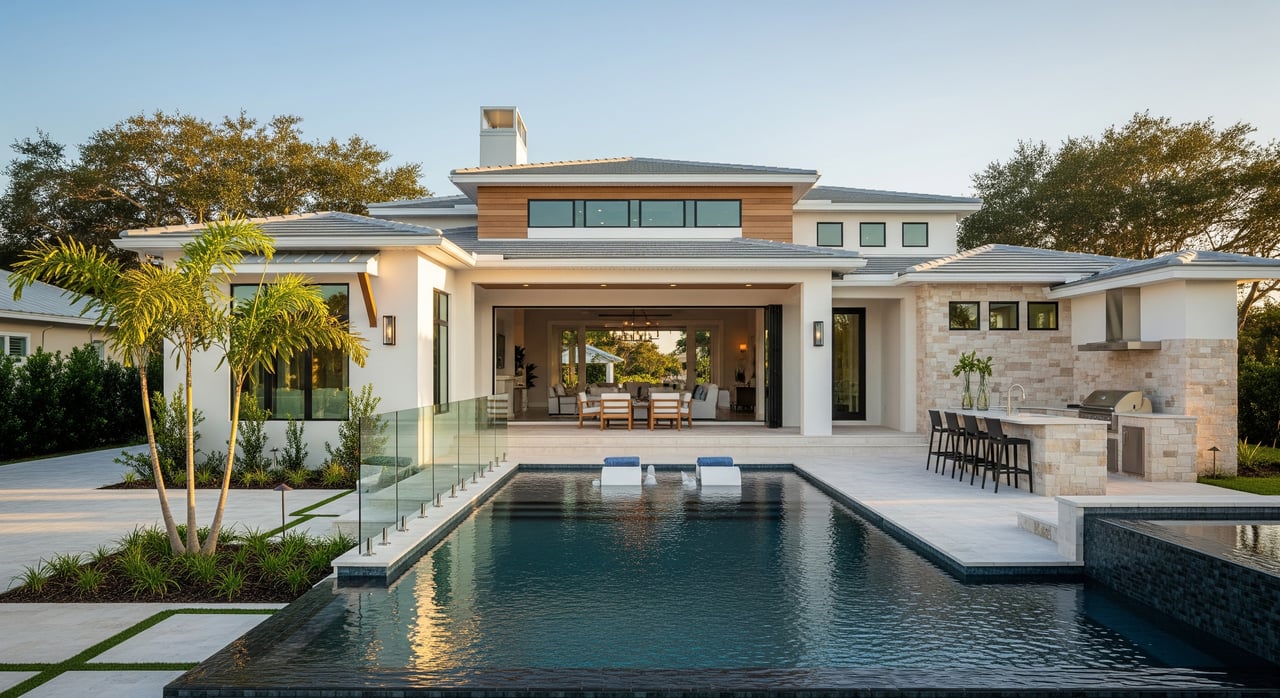
Eyeing a brand-new home in Parrish but unsure how to pick the right lot, manage the design center, or protect your timeline? You’re not alone. New construction can be exciting, yet the moving parts around permits, inspections, and warranties can feel overwhelming. In this guide, you’ll learn how the process works in 34219, what to check before you sign, and smart ways to negotiate extras without risking delays. Let’s dive in.
How new construction works in Parrish
Buying in a master-planned community usually follows a clear sequence. You select a lot, sign a builder contract with deposits, make design center choices, and then the builder moves into permitting and construction. Manatee County handles required inspections at key stages and issues a Certificate of Occupancy once the home is code compliant. You’ll do a final walkthrough before closing and then move into the warranty period.
- Lot selection and reservation
- Purchase agreement and deposit
- Design center selections and structural options
- Permitting and site prep
- Vertical construction (slab, framing, rough-ins, drywall, finishes)
- County inspections and Certificate of Occupancy
- Final walkthrough, closing, and warranty service
Timelines vary. Weather, supply issues, HOA or CDD infrastructure, and amenity phasing can shift delivery dates. Builder contracts typically include clauses for delays and permitting. Plan with some flexibility.
Choose the right lot in 34219
Your lot choice affects cost, insurance, everyday comfort, and resale. In Parrish, communities are often phased and include stormwater ponds, preserves, and active construction. Confirm details up front so you know exactly what you’re buying.
Flood risk and elevation
Check the FEMA Flood Insurance Rate Map for your specific homesite. Your flood zone and base flood elevation can influence required finished-floor elevations and lender-required flood insurance. Review the elevation certificate when available and confirm any freeboard requirements tied to code or community design.
- Use the FEMA Flood Map Service Center to verify the lot’s flood zone and base flood elevation.
- Ask the builder for the anticipated finished-floor elevation.
- Talk with an insurance professional early to estimate wind and flood premiums.
Helpful resources:
Utilities, drainage, and site access
Confirm how the lot connects to water, sewer, and power. Some communities rely on developer systems or phased infrastructure that can affect timing. Understand drainage easements and how they impact fencing or landscaping.
- Ask whether the lot ties to county utilities or a developer system.
- Review any drainage easements and restrictions on grading, fencing, or trees.
- Verify off-site items (roads, lift stations, amenity completion) that could affect your move-in.
If wetlands or conservation buffers are present, the site may carry additional restrictions. The Southwest Florida Water Management District oversees many regional water and wetlands considerations.
HOA, CDD, and amenity timing
Many Parrish master-planned communities use Community Development Districts to fund infrastructure. CDDs levy annual assessments, which add to your total housing cost. Ask for the HOA budget, current and planned assessments, and any CDD disclosures before committing.
Amenities such as clubhouses, pools, and fitness centers often open after the first homes deliver. Request the amenity phasing schedule so you know what will be open when you move in.
Quick document list to request:
- Lot plat and any elevation certificate
- CCRs and community design guidelines
- HOA budget and rules, CDD disclosures and bond information (if applicable)
- Included features vs. upgrade list and any allowance sheets
- Preliminary title commitment and a summary of easements
Make smart design center choices
The design center can be fun and fast-paced. Builders set strict selection deadlines, especially for structural items that affect permitting. Missed deadlines can default to base options or allowances that may not match your preferences.
- Prioritize structural choices first (garage extensions, extra rooms, sliders). These drive the permit set and cannot usually change later without delays.
- For finishes, focus on high-impact, hard-to-change elements like flooring and cabinetry. Cosmetic items such as cabinet hardware or basic lighting can be upgraded later.
- Track your allowance totals to avoid surprise overages. Get all pricing and lead times in writing.
If you’re new to the process, the National Association of Home Builders offers practical buyer guidance that helps you frame choices and expectations.
Negotiate incentives without risking delays
Builders often offer incentives, especially when you use their preferred lender. These can include closing cost credits or rate buydowns. Compare any offer against independent lenders and look at the full APR, points, and long-term cost.
- Ask for higher design allowances or credits rather than only discounting the base price.
- Confirm whether incentives require using the builder’s lender and compare offers with independent lenders. The Consumer Financial Protection Bureau provides tools to compare loans and understand closing costs.
- If a lot carries a premium, explore a partial credit or upgrades in lieu of paying the full premium upfront.
Always record negotiated items in a signed addendum. Verbal promises should not be relied upon.
Permits, inspections, and your CO
The builder obtains permits and schedules required county inspections. Manatee County inspects major stages like slab, framing, rough-ins, insulation, and final. A Certificate of Occupancy is issued once code items are satisfied, which allows legal occupancy.
Independent inspections to protect your investment
County inspections focus on code compliance. You should also hire independent inspectors at key milestones.
- Pre-drywall inspection to review framing, electrical, plumbing, and HVAC before walls are closed.
- Final inspection for mechanicals and finishes before closing, plus a thorough punchlist.
- 11-month inspection to capture items before the typical one-year workmanship coverage ends.
- Specialized checks where needed, such as wind mitigation for insurance discounts, termite/moisture, HVAC performance, and pool barrier compliance for safety.
Request contract language that allows access for independent inspections at set stages and defines how findings will be addressed.
Protect your timeline, budget, and deposit
Clear communication and paperwork protect you throughout the build. Ask for progress updates with milestone dates and a defined process for change orders and delays.
- Inspection rights: Include pre-drywall and final inspection access in your contract addenda.
- Progress reporting: Agree on a schedule for updates and photo documentation.
- Deposits: Clarify where deposits are held, whether they are escrowed, and the conditions for refunds if delivery is delayed beyond an agreed window.
- Temporary housing remedies: If possible, negotiate limited remedies if substantial delays occur. Builders often resist penalties, so document realistic expectations.
- Title and survey: Review the preliminary title commitment and the plat for easements or access rights. Understand how and when the lot is conveyed.
Verify that your builder and key subcontractors hold current Florida licenses and are in good standing. You can check license status and complaint history at the Florida Department of Business & Professional Regulation.
Warranties after closing
Most new homes include layered coverage. While terms vary by builder and provider, a common structure looks like this:
- One year for workmanship and materials
- Two years for major mechanical systems such as plumbing, electrical, and HVAC
- Ten years for major structural defects
Many builders use a third-party administrator. For a sense of typical coverage and claims, review resources from 2-10 Home Buyers Warranty.
Read the warranty to understand coverage, exclusions, and how to file a claim. Cosmetic items and normal wear are often excluded. Use your 11-month inspection to document items before the primary workmanship coverage expires.
Avoid common Parrish pitfalls
- Relying on verbal promises. Get every concession, upgrade, and schedule commitment in writing.
- Skipping independent inspections. Code inspections do not replace a pre-drywall or final inspection focused on quality and performance.
- Missing design deadlines. Late changes lead to overages and potential schedule slips.
- Overlooking CDD or HOA costs. Annual assessments affect your monthly budget.
- Not verifying utilities and off-site readiness. Ask about roads, lift stations, and amenity phasing that could affect occupancy.
- Ignoring warranty timelines. Track issues and submit claims promptly.
What your agent should handle for you
A strong buyer’s agent coordinates people, paperwork, and timing so you can focus on the big decisions.
- Review the builder contract with you and suggest an attorney review for deposits, delay clauses, dispute resolution, and inspection rights.
- Organize design center timelines, selection sheets, and change-order documentation.
- Negotiate credits for lot premiums, design allowances, closing costs, or rate buydowns.
- Schedule independent inspections and help prioritize punchlist items before closing.
- Confirm permit and inspection status, title and plat details, and HOA/CDD disclosures.
- Plan the 11-month inspection and warranty follow-up schedule.
If you want boutique-level guidance with clear timelines and proactive communication, let’s talk.
Ready to build in Parrish with confidence? Reach out to KaTrina Scott to map your lot strategy, design plan, and inspection timeline.
FAQs
How does the Parrish new-build timeline usually work?
- You choose a lot, sign the builder contract, complete design selections, the builder handles permitting and construction, Manatee County inspects, then you close after the Certificate of Occupancy.
What should I check before reserving a lot in 34219?
- Confirm flood zone and elevation on FEMA maps, review HOA and CDD budgets, verify utilities and drainage easements, and request the community’s amenity phasing schedule.
Do I need my own inspector if the county inspects?
- Yes. County inspections verify code items, but independent pre-drywall, final, and 11-month inspections focus on quality, performance, and warranty documentation.
Are builder lender incentives always the best deal?
What does a typical new-home warranty cover?
- Many include one-year workmanship, two-year systems, and ten-year structural coverage, often administered by a third party such as 2-10 Home Buyers Warranty.
How can I verify my builder is properly licensed in Florida?