KaTrina Scott Realtor
Understanding Wind Mitigation Credits in Sarasota
December 18, 2025
KaTrina Scott Realtor
December 18, 2025
Worried about Florida wind and rising insurance costs as you shop in Sarasota? You are not alone. Many buyers are surprised to learn how much a home’s wind-ready features can influence premiums. The good news is that with the right inspection and documentation, you can often qualify for credits that help manage your monthly costs. Here is how to approach wind mitigation with clarity and confidence.
Sarasota sits on Florida’s Gulf Coast, where wind from tropical systems is a regular concern. Insurers in Florida commonly price the wind portion of your policy separately and apply credits for features that reduce risk. That means a well-documented home can be less expensive to insure than a similar home without proof of mitigation.
Florida’s building codes have improved over time. Homes built or re-roofed to more recent code editions often meet many criteria insurers reward. When you tour a property, note the year built and the date of major roof work, then verify it with permits.
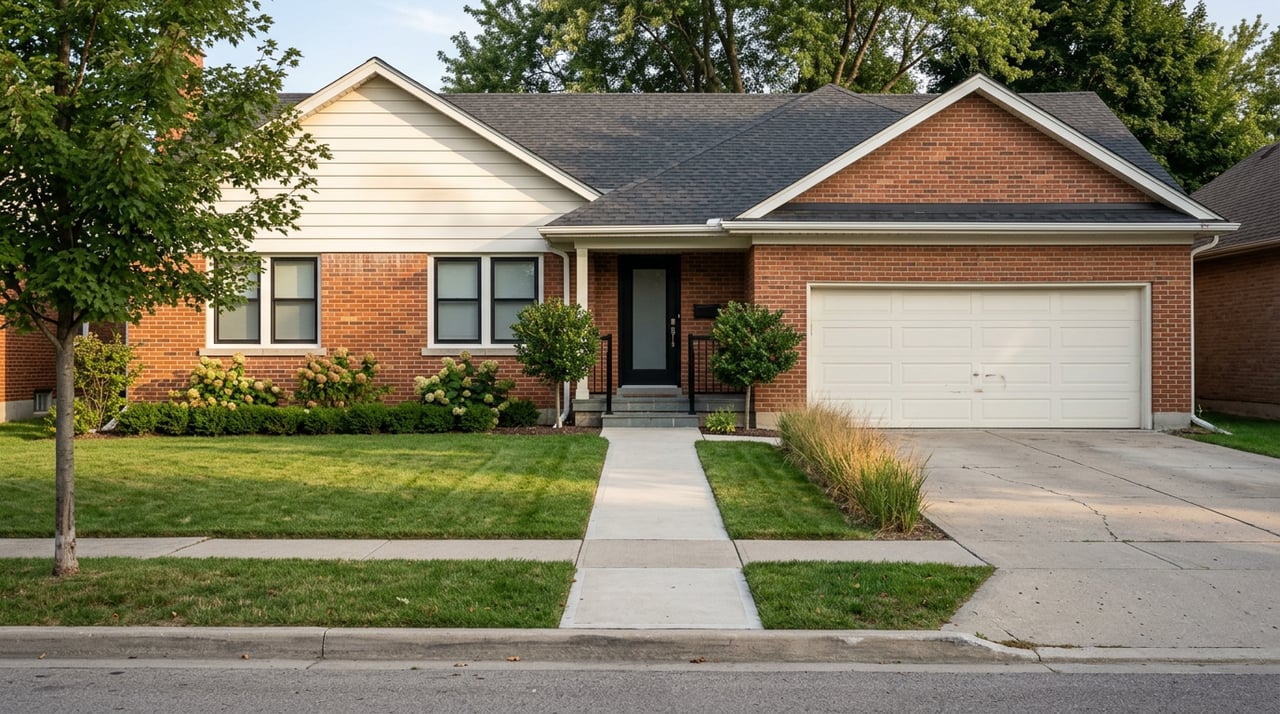
Hip roofs, which slope on all four sides, tend to perform better in high winds than gable roofs. Insurers value the lower uplift forces and reduced failure risk. Inspectors confirm roof shape with photos and a roofline description.
Insurers review roof material and installation date. Newer, properly permitted roofs usually fare better in underwriting. Permit records, contractor invoices, and roof certifications serve as evidence.
Nail type and spacing matter because they affect how securely the deck stays in place. Stronger patterns lower the risk of blow-off. Inspectors document this with attic photos and notes.
Metal clips, straps, or hurricane ties help keep the roof attached to the walls. This connection is a key factor during strong uplift. Inspectors look for visible straps and photograph them.
A continuous underlayment beneath the roof covering slows water intrusion if shingles or tiles fail. Insurers value this because it reduces interior damage. Evidence often comes from roof replacement documentation or contractor certification.
Impact-rated windows, laminated glass, or approved shutters help protect against windborne debris. Proper opening protection lowers the risk of internal pressurization and structural failure. Inspectors confirm with photos, labels, and product certifications.
Reinforced or braced garage doors prevent a common failure point that can pressurize the home. Inspectors check for bracing, labels, or receipts. Some carriers ask for permit records if the door was replaced.
If a home has gable ends, added bracing helps those walls resist wind loads. Inspectors may document this from the attic or structural drawings. Proper bracing can contribute to credits.
Anchors and straps that tie the roof to the foundation improve overall wind performance. This continuity allows the structure to work as a system. Inspectors note visible components and may rely on permits.
Long overhangs and certain roof geometries can catch wind and increase uplift. Bracing or design choices that reduce exposure can help. Photos and measurements support the inspector’s findings.
Most insurers rely on a standardized Florida wind mitigation inspection form completed by a qualified professional. Acceptable inspectors can include licensed contractors, building code inspectors, licensed home inspectors, structural engineers, or local building officials. Always confirm which license types your preferred insurer accepts.
During the inspection, expect exterior and attic reviews, photos of the roof and connections, and notes on opening protection and underlayment. The report should include pictures, measurements, and referenced permits when available. Sarasota County’s Building Division maintains permit records that can confirm roof replacements, window and door upgrades, or structural retrofits.
Wind mitigation inspections are typically inexpensive compared with potential insurance impacts. You can schedule one during your due diligence and provide the report to insurers for quotes. Some carriers may add credits after policy start if you later submit valid documentation.
Credits are usually applied to the wind portion of your policy. Many are additive, and some carriers cap combined credits. Citizens Property Insurance and private carriers may treat features differently, which is why quotes vary.
Documentation is critical. Insurers need a completed inspection form, photos, permits, and product labels to award credits. Verbal assertions or unverified features rarely count.
Savings vary by carrier, location, and your home’s features. Single items often have modest impact, while several well-documented features together can make a meaningful difference. Do not rely on a generic percentage. Shop multiple carriers or work with an agent who can compare credit schedules.
Other factors also influence pricing. Distance to the coast, elevation and flood exposure, replacement cost, claims history, and deductible choices all play a role. Ask how hurricane or wind deductibles affect your monthly cost estimate.
Build wind mitigation into your offer and due diligence timeline. Order the inspection early, request seller permits and warranties, and compare carrier quotes using the same documentation. If upgrades make sense, plan them during a re-roof or as part of your first-year maintenance so you can capture credits with strong documentation.
If you are relocating or buying a second home, lean on a local, organized process. You will move faster, avoid surprises at closing, and set clearer expectations for your monthly costs. When you are ready, connect with our team to coordinate inspections, gather records, and introduce you to trusted local pros.
Ready to shop smart and close with confidence in Sarasota? Schedule a Personalized Consultation with KaTrina Scott.
Stay up to date on the latest real estate trends.

I bring together a mix of integrity, imagination and an inexhaustible work ethic, striving to make each buying and selling experience the best possible.