Considering a home in Old Town, Del Ray, or along the Alexandria waterfront that stretches your budget above typical limits? If your target price crosses the conforming threshold, you may need a jumbo loan, which comes with different rules than a standard mortgage. You want clarity on what it takes to qualify, what to expect at underwriting, and how to keep your purchase timeline on track. In this guide, you’ll learn how jumbo loans work in the Alexandria market, what lenders look for, and strategies to help you compete confidently. Let’s dive in.
What a jumbo loan is
A jumbo loan is a mortgage that exceeds the conforming loan limit set by the Federal Housing Finance Agency. Because these loans are not purchased by Fannie Mae or Freddie Mac, lenders treat them as higher risk and apply stricter standards.
In Alexandria, higher-price neighborhoods and luxury condos often push buyers into jumbo territory. If you are moving up or buying a premium property, plan your financing early so you can align your search with real approval limits.
Types of jumbo loans
- Agency-style jumbos: Designed for wider market standards, still non-conforming but easier to sell to investors.
- Portfolio jumbos: Held by the lender, with internal guidelines that can be more flexible for strong borrowers.
- Private or non-bank programs: Tailored options for high-net-worth clients, but terms vary widely.
Conforming limits in Alexandria
Alexandria sits within the Washington–Arlington–Alexandria metropolitan area, which has historically qualified for higher high-cost limits compared with the national baseline. The Federal Housing Finance Agency updates conforming limits every year. Always verify the current-year limit through the FHFA lookup before you assume your loan size is conforming or jumbo.
If your price point is near the local cap, speak with your lender before touring homes so your pre-approval accurately reflects your financing path. Sellers and listing agents appreciate clarity when a property is close to the limit, since many such listings may require jumbo financing.
Where jumbo is common locally
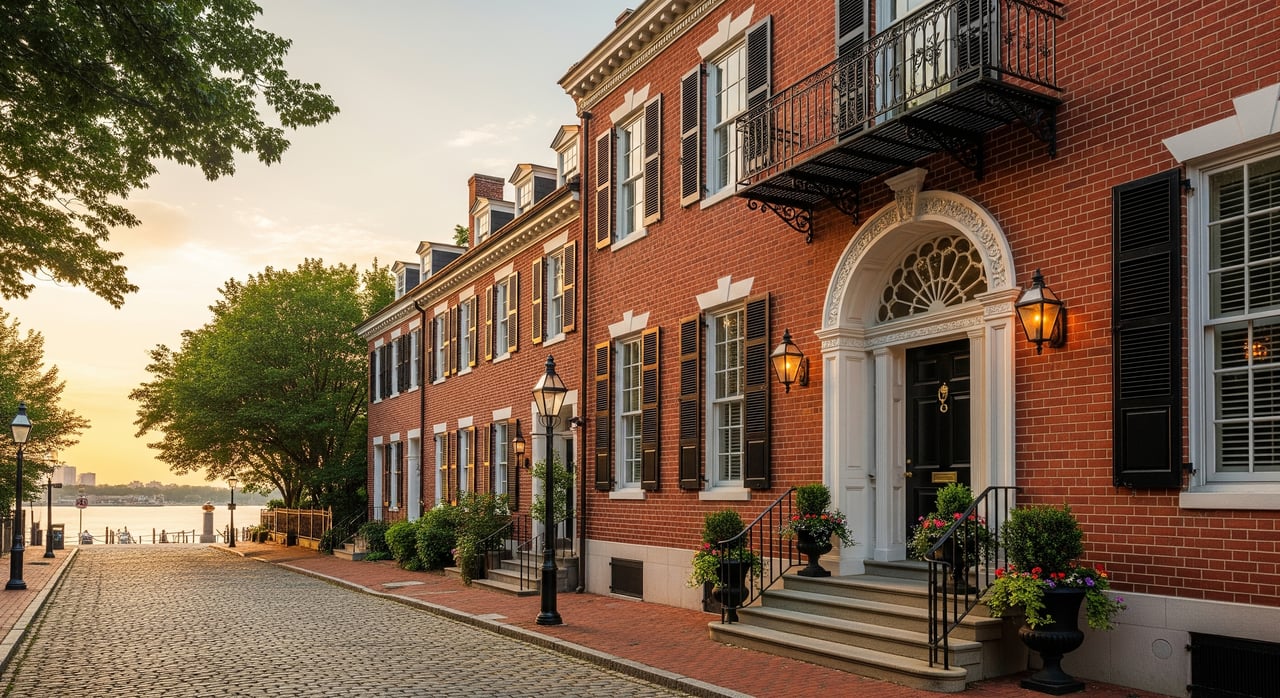
Neighborhoods and segments where prices commonly exceed conforming limits include Old Town, Del Ray, select West End and Eisenhower Valley homes, and luxury or waterfront condos. Not every property is above the cap, but these areas often produce larger loan sizes, so early lender conversations are essential.
How jumbo underwriting differs
Jumbo underwriting is more conservative than a standard conforming loan. Lenders focus on overall financial strength, stability, and documentation quality.
- Credit scores: Many lenders look for strong scores, often 720 to 760 for best terms. Some programs accept lower scores in exchange for higher down payments or rates.
- Down payment: Expect 10 to 20 percent down for a primary residence. Second homes or investment properties usually require more.
- Debt-to-income ratio: Lenders often target ratios from the mid 30s to low 40s, and may apply more conservative housing cost guidelines.
Cash reserves and assets
You may need to show significant cash reserves after closing, commonly 6 to 12 months of principal, interest, taxes, and insurance. If you have other financed properties, lenders may require additional reserves. You should also be ready to document liquid assets and explain large deposits, with at least 2 to 3 months of statements for all relevant accounts.
Income and employment
Jumbo loans are full-documentation loans. Expect to provide two years of federal tax returns, recent W-2s and pay stubs, and business returns with a year-to-date profit-and-loss statement if you are self-employed. Lenders prefer consistent income history, and they scrutinize variable income like bonuses or commissions.
Property and appraisal
Higher-priced homes can be harder to appraise because there are fewer comparable sales in the luxury tier. Lenders often require a full interior and exterior appraisal and may ask for additional comp analysis. If you are buying a condo, your lender will review the condo association’s financial health, reserves, and owner-occupancy levels.
Your jumbo document checklist
Gather these items early to speed up underwriting. Your lender may request additional documentation based on your profile.
- Government photo ID
- Last 2 years of federal tax returns, including all schedules and K-1s if applicable
- W-2s for the past 2 years and recent pay stubs
- If self-employed: year-to-date profit-and-loss and balance sheet, plus business tax returns
- Last 2 to 3 months of statements for checking, savings, investment, and retirement accounts
- Documentation for large deposits or asset transfers, and gift letters if using gift funds
- 401(k) or retirement statements, most recent quarterly or annual version
- Purchase contract, MLS listing, and seller disclosures
- Explanations for credit inquiries, past credit issues, or employment gaps
- For condos: condo questionnaire, bylaws, and reserve studies if requested
Rates, costs, and product choices
Jumbo rates can differ from conforming rates because lenders cannot sell these loans to Fannie Mae or Freddie Mac. Investor demand, the credit profile of the borrower, and market conditions influence pricing. Sometimes the rate gap is small. At other times, jumbos carry a modest premium. Always obtain live quotes, compare total costs, and consider locking when you are ready.
- Mortgage insurance: Private mortgage insurance is usually not available for jumbo loans, which is why lenders expect larger down payments.
- Fees: Origination and underwriting fees can be higher. Appraisals on high-value properties also tend to cost more, and title insurance premiums scale with price.
- Local taxes: Transfer and recordation taxes vary by jurisdiction in Northern Virginia. Your title company and agent will estimate these for your specific address.
Product options to consider
- Fixed-rate jumbos: Predictable payments, good for long-term holds.
- Adjustable-rate jumbos: Often lower initial rates for 5, 7, or 10 years, useful if you plan to sell or refinance before adjustment.
- Portfolio jumbos: Local banks and credit unions sometimes offer flexible options for well-qualified borrowers.
- Piggyback seconds: An 80-10-10 structure or a home equity line can reduce the first-lien size, sometimes avoiding a single jumbo loan. This adds complexity and two payments, so compare the combined cost.
- Bridge loans: Short-term financing to buy before you sell. Costs are higher, but timing flexibility can be valuable in competitive segments.
Winning strategies for Alexandria buyers
- Get jumbo-specific pre-approval: Make sure your letter states “jumbo” so sellers know you are qualified for the right loan size.
- Talk to more than one lender: Compare national banks, regional lenders, credit unions, and mortgage brokers. Terms and reserve requirements can vary a lot.
- Prep your reserves and paperwork: Organize statements, source large deposits, and keep funds stable in the months before closing.
- Time your offer: Strong, conventional or jumbo-pre-approved buyers often have an edge in Alexandria’s competitive neighborhoods.
- Plan for appraisal support: Ask your agent to prepare recent comparable sales and property improvements to help the appraiser understand value.
- Explore portfolio options: Local institutions familiar with the DC metro may offer competitive jumbo programs for qualified borrowers.
How your agent helps
A seasoned local agent can streamline the process from the first conversation to closing. Your agent can match your goals with lenders experienced in the DC metro’s jumbo space, pressure-test list prices with neighborhood comps, and coordinate appraisal support when comparable sales are thin. If you are buying a condo, your agent can help you collect condo documents early and flag any items a lender may scrutinize.
When you are ready to write, your agent manages timelines, coordinates with your lender and title, and helps you structure terms that keep your offer attractive without adding risk. That combination of planning and communication helps you move from pre-approval to clear-to-close with fewer surprises.
Next steps for your jumbo purchase
- Confirm your target budget against current FHFA conforming limits to see if you will need jumbo financing.
- Gather the documentation listed above and keep assets seasoned in your accounts.
- Get quotes from multiple lenders and review complete loan estimates, not just the rate.
- Build an offer plan with your agent that addresses financing terms, appraisal strategy, and a realistic timeline.
If you want a clear plan tailored to your price point, property type, and timeline, let’s talk. Reach out to KaTrina Scott to schedule a Personalized Consultation.
FAQs
What is a jumbo loan for Alexandria homebuyers?
- A jumbo loan is any mortgage that exceeds the current FHFA conforming limit for the area, so it is underwritten with stricter standards than conforming loans.
Do jumbo loans always have higher interest rates?
- Not always; jumbo pricing changes with market conditions, lender competition, and your profile, so you should compare several live quotes before choosing.
How much down payment do I need for a jumbo?
- Many buyers put 10 to 20 percent down on a primary residence, while second homes or investment properties often require larger down payments.
What credit score should I aim for?
- Lenders often look for strong credit, commonly in the 720 to 760 range for best terms, though programs can vary by lender and loan structure.
Can I use a jumbo loan to buy a condo in Alexandria?
- Yes, but the lender must approve the condo project’s financials, reserves, and owner-occupancy levels, which can add time to underwriting.
Why do jumbo loans require more documentation?
- Because these loans are not purchased by Fannie Mae or Freddie Mac, lenders reduce risk by verifying income, assets, employment, and reserves more thoroughly.
What are typical reserve requirements?
- Many jumbo programs expect 6 to 12 months of principal, interest, taxes, and insurance after closing, with more reserves for additional financed properties.
Can I avoid a jumbo with a second mortgage?
- Sometimes; an 80-10-10 structure or a home equity line can reduce your first-lien size, but you will have two payments and must compare the total cost.
How long does jumbo underwriting take?
- It can take longer than conforming loans due to extra documentation and appraisal complexity, so start early and keep your paperwork organized.